Megalithic structures were built during a long period, beginning as early as 9500 BC with Göbekli Tepe and extending through the Neolithic and Bronze Ages, generally from about 6,000 to 4,000 years ago, although some building continued after that. The peak period for megalithic construction, especially in Europe, was between roughly 4700 BC and 2500 BC.
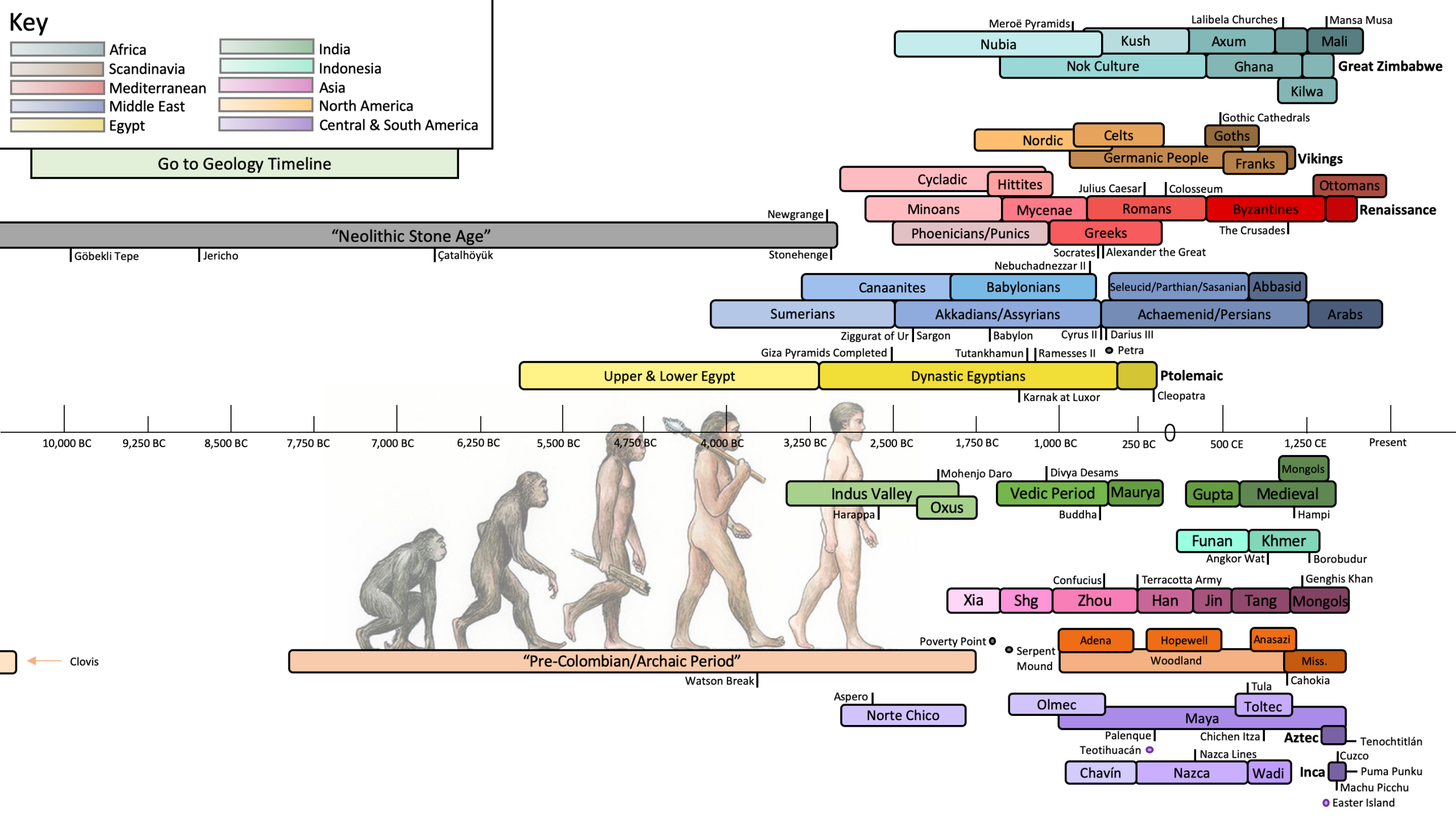
3200 BCE first writing in Sumer
First appearance of professional priests – Masks of God
Egyptian Hieroglyphs emerged around the same time.
First use of symbolic money using clay tablets for debt. Commodity money (shells, amber, metal) in 1200 BCE, first coins in 650 BCE.
2800 BCE Sargon of Ackkad
First ruler of the Akkadian Empire, founder of Babylon. First example of hero myth: baby abandoned in water. (ref Otto Rank).
2400 BCE Beginning of invasions of middle east by northern peoples
2300 BCE Sumerian Urukagina reform
“The women of former days used to take two husbands but the women of today would be stoned with stones if they did this.”
2,000 BCE (estimated) Abraham – first Patriarch
Founder of monotheism. In religious tradition (specifically the Jewish Midrash and the Quran), Abraham is an iconoclast. While his father, Terah, was a professional idol-maker in Mesopotamia, Abraham is famously depicted as realizing that the sun, moon, and stars were merely creations, not creators. Abraham is credited with proactively debating his neighbors and “calling out in the name of the Lord,” making him the first to build a community around the idea of one God. God promised Abraham land and descendants in exchange for exclusive worship and circumcision. He leads at least 1,000 Hebrews migrating from Ur to Canaan. Abraham’s Life and Times.
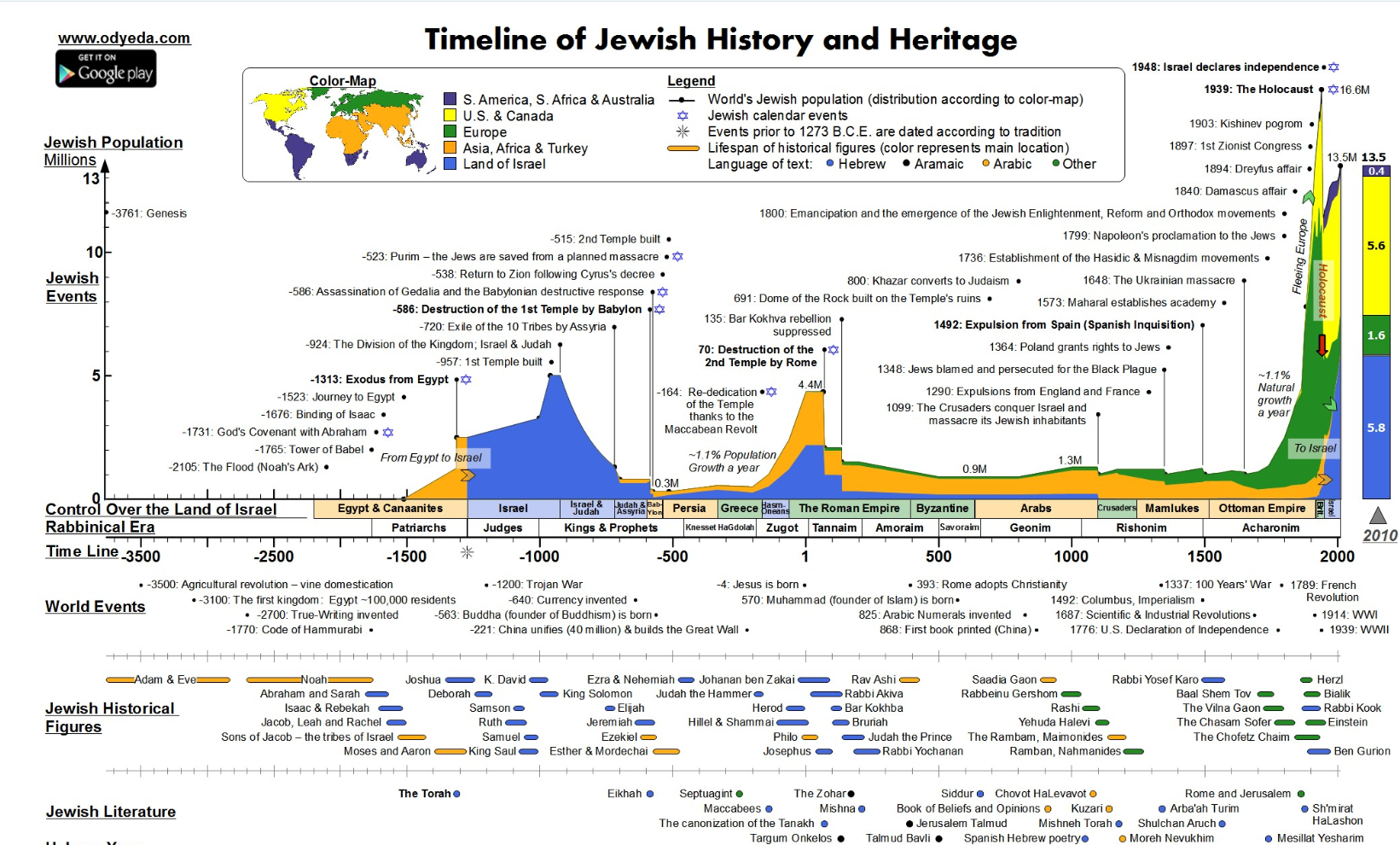
1790 BCE Code of Hammurabi
Seven of Hammurabi’s laws were concerned with the priestesses of the temple, their rights to inherit and what they might or might not pass along to offspring, suggesting that the economic position of these women was a matter of concern and probably was quickly changing.
Adultery was seen as a violation of a legal contract. If a woman was caught in an affair, both she and the man could be tied together and thrown into the Euphrates River. Incest: This was one of the few “hard” sexual taboos. Engaging in incestuous acts could result in being burned alive or banished, as it was seen as a direct “stain” on the family and the earth itself.
1570 BCE beginning of Egyptian 18th Dynasty, women no longer priestesses.
1500 BCE Egyptian Book of the Dead
A soul entering the afterlife had to recite the “42 Negative Confessions” to prove their purity. One of these confessions was: “I have not committed adultery; I have not defiled the wife of any man.” This represents a transition where sex was no longer just a legal issue but a spiritual one. If you had “incorrect” sex, your soul could be destroyed.
1375 BCE first recorded attempt to enforce monotheism
Pharaoh Amunhetep IV repudiated the authority of the old gods and their priests and devoted himself exclusively to Aton, the god appearing as the sun disk. He proclaimed himself the son of Aton, taking the name Akhenaton (‘devoted Aton’) and he imposed this worship on others. After his death 20 years later, the old cults were restored.
1370 BCE Moses born as slave – leaves Egypt age 40 = 1330 (late date)
Freud proposed that Moses had been a priest of Akhenaten who fled Egypt after the pharaoh’s death and perpetuated monotheism through a different religion,[6] and that he was murdered by his followers, who then via reaction formation revered him and became irrevocably committed to the monotheistic idea he represented.[1]
1290 / 1270 BCE Hebrews Exodus from Egypt (late date)
https://etsjets.org/wp-content/uploads/2010/06/files_JETS-PDFs_50_50-2_JETS_50-2_225-247_Hoffmeier.pdf
https://armstronginstitute.org/350-what-is-the-correct-time-frame-for-the-exodus-and-conquest-of-the-promised-land
https://biblearchaeology.org/research/conquest-of-canaan/2310-did-the-israelites-conquer-jericho-a-new-look-at-the-archaeological-evidence
Subsequently called Israelites (children of Jacob) https://www.youtube.com/watch?v=eeMLyiFjCXQ
1177 BCE Bronze Age collapse
https://en.wikipedia.org/wiki/Late_Bronze_Age_collapse
https://en.wikipedia.org/wiki/Bicameral_mentality
Bicameral mentality is a psychological hypothesis proposed by American psychologist Julian Jaynes. It suggests that early modern humans experienced thoughts and emotions not as originating within themselves but as commands from external “gods”.
967 BCE Solomon’s Temple built
Followed by civil war, split into Israel (north) and Judah (south).
960–922 BC, worshiped Ashtoreth as well as other local deities.
910 BCE Queen Maacah dethroned by son for worshiping Asherah
842 BCE Jezebel defenestrated
She aggressively introduced and promoted the worship of Baal and Asherah in Israel, building altars and supporting their prophets. She is known for persecuting and killing many prophets of Yahweh. The prophet Elijah famously challenged her.
In the New Testament Book of Revelation, the name Jezebel is contemptuously attributed to a prophetic woman of Thyatira, whom the author, through the voice of the risen Christ, accuses of leading her followers into fornication (idolatry). For refusing to repent, she is threatened with sexualized punishment (“throw[n] on a bed”) and the death of her children.
734 BCE Assyrians invaded Israel
People called Jews since then. About 30,000 taken captive. Ten tribes “lost”.
650 BCE First Library
Mesopotamian King Ashurbanipal, combined calculated brutality with an unprecedented quest to collect all the wisdom of his world. Last great ruler of Assyria. Capital was Nineveh, in what is now northern Iraq.
640 BCE Reign of King Josiah begins
Among his iconoclastic deeds he, like Hezekiah before him, is said to have demolished all the high places and removed “the Asherah” from the Temple and burned it.
600 BCE (approx) prophet Zoroaster
Zoroastrianism enters recorded history in the mid-5th century BCE. Herodotus’ The Histories (completed c. 440 BCE).
597 BCE Babylonian Conquest of Judah
10,000 people deported.
586 second siege, Nebuchadnezzar captures Jerusalem from Kingdom of Judah and takes mor Jews captive
True monotheism emerged only in the period of the exile in Babylon in the 6th century b.c., as the canon of the Hebrew Bible was taking shape.
https://notes.motuweb.com/2025/did-god-have-a-wife-archaeology-and-folk-religion-in-ancient-israel/
530 BCE Pythagoras founds school
Believed that most sexual activity was harmful to the body and soul.
https://notes.motuweb.com/tag/pythagoras/
515 BCE Parmenides
https://notes.motuweb.com/tag/parmenides/
Parmenides prescribes two views of reality. The first, the way of “Aletheia” or truth, describes how all reality is one, change is impossible, and existence is timeless and uniform. The second view, the way of “Doxa” or opinion, describes the world of appearances, in which one’s sensory faculties lead to conceptions which are false and deceitful. Parmenides has been considered the founder of ontology and has, through his influence on Plato, influenced the whole history of Western philosophy.
500 BCE Heraclitus
https://notes.motuweb.com/tag/heraclitus/
The central ideas of Heraclitus’s philosophy are the unity of opposites and the concept of change. Heraclitus saw harmony and justice in strife. He viewed the world as constantly in flux, always “becoming” but never “being”. He expressed this in sayings like “Everything flows” (Greek: πάντα ῥεῖ, panta rhei) and “No man ever steps in the same river twice”. This insistence upon change contrasts with that of the ancient philosopher Parmenides, who believed in a reality of static “being”.
450 /350 BCE final sections of Old Testament written. First begun around 1,000 BCE
https://en.wikipedia.org/wiki/Documentary_hypothesis
https://notes.motuweb.com/tag/adam_eve/
https://notes.motuweb.com/tag/lilith/
https://notes.motuweb.com/tag/asherah/
400 BC Plato’s Noble Lie
https://notes.motuweb.com/tag/plato/
The following lines, attributed to Plato’s uncle Critias. Karl Popper cites them as indicative of the idea that religion is a noble lie.
“Then came, it seems, that wise and cunning man,
The first inventor of the fear of gods…
He framed a tale, a most alluring doctrine,
Concealing truth by veils of lying lore.
He told of the abode of awful gods,
Up in revolving vaults, whence thunder roars
And lightning’s fearful flashes blind the eye…
He thus encircled men by bonds of fear;
Surrounding them by gods in fair abodes,
He charmed them by his spells, and daunted them–
And lawlessness turned into law and order.”
Popper remarks, “It is hard to understand why those of Plato’s commentators who praise him for fighting against the subversive conventionalism of the Sophists, and for establishing a spiritual naturalism ultimately based on religion, fail to censure him for making a convention, or rather an invention, the ultimate basis of religion.” Religion for Plato is a noble lie…
446 BC – 386 BC Aristophanes
https://notes.motuweb.com/tag/aristophanes/
Plato’s The Symposium purports to be a record of conversations at a dinner party at which both Aristophanes and Socrates are guests, held some seven years after the performance of The Clouds, the play in which Socrates was cruelly caricatured.
332 BCE Judea conquered by Alexander the Great
250 BC Kama Sutra
Edited by Vatsyayana Mallanaga – Sanskrit text on sexuality, eroticism and emotional fulfillment in life. lists desire, sexuality, and emotional fulfillment as one of the proper goals of life. many evidences that the kamasutra began in the religious literature of the Vedic era, 1,000 years before. The Kamasutra and celebration of sex, eroticism and pleasure is an integral part of the religious milieu in Hinduism and quite prevalent in its temples. The sixty four arts of love-passion-pleasure began in India.
The ancient Indian view has been, states Johann Meyer, that love and sex are a delightful necessity. Though she is reserved and selective, “a woman stands in very great need of surata (amorous or sexual pleasure)”, and “the woman has a far stronger erotic disposition, her delight in the sexual act is greater than a man’s”.[48]
The first English version by Richard Burton became public in 1883, but it was illegal to publish it in England and the United States till 1962.
150 BCE modern Judaism begins
Prof. Yonatan Adler – The Origins of Judaism https://www.youtube.com/watch?v=5U1TN-i0x7g
Hasmonean period.
18 BC Roman Emperor Augustus
Passed the Julian Law for the Control of Adultery, intended to improve morals and encourage monogamous marriage and childbearing. Adulterers could be banished, fathers could kill an adulterous daughter and her partner, and husbands had to divorce an adulterous wife. https://en.wikipedia.org/wiki/Lex_Julia
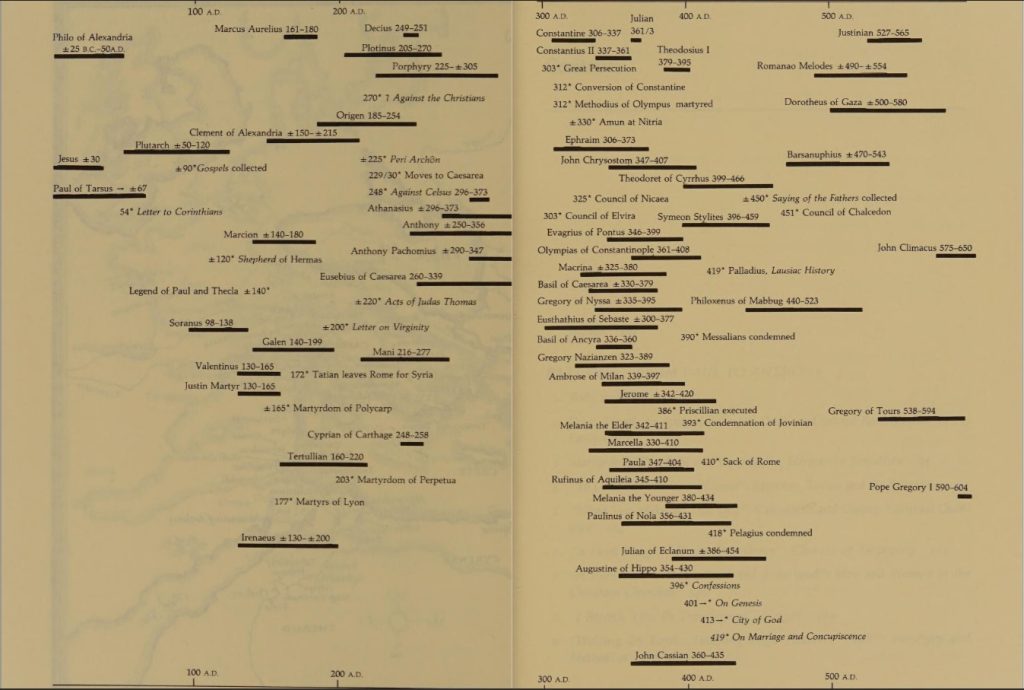
500 AD Prostitution
Prostitution had a long history in Japan, and there are records of families sending their girl children to provide sex at the imperial court as early as the sixth century.
…
Hokusai, the self-styled “madman of painting,” is thought to have been intimate with his own daughter, Oei, whose genitalia he detailed so lovingly.
354 DA – 430 AD Augustine
https://notes.motuweb.com/tag/augustine/
Sexual desire is sinful; that infants are infected from the moment of conception with the disease of original sin; and that Adam’s sin corrupted the whole of nature itself.